
About Promega
Promega is a leader in providing innovative solutions and technical support to the life sciences industry. Promega Corporation’s 3,000 products enable scientists worldwide to advance their knowledge in life science research, particularly in genomics, proteomics, and cellular analysis. Our products are also used to support molecular diagnostics and human identification. Founded in 1978, Promega Corporation is headquartered in Madison, Wisconsin, USA, with branches in 16 countries and over 50 global distributors.
Advertisement


Product portfolio of Promega


Similar companies







News about Promega
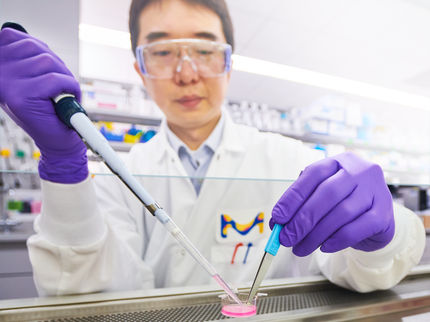





Here you will find Promega GmbH
See the theme worlds for related content
Topic World PCR
This groundbreaking and highly versatile molecular technique of PCR allows us to amplify tiny amounts of genetic material on a large scale and analyze them in detail. Whether in medical diagnostics, forensic DNA analysis or research into genetic diseases - PCR is an indispensable tool that gives us deep insights into the world of DNA. Immerse yourself in the fascinating world of the polymerase chain reaction (PCR)!

Topic World PCR
This groundbreaking and highly versatile molecular technique of PCR allows us to amplify tiny amounts of genetic material on a large scale and analyze them in detail. Whether in medical diagnostics, forensic DNA analysis or research into genetic diseases - PCR is an indispensable tool that gives us deep insights into the world of DNA. Immerse yourself in the fascinating world of the polymerase chain reaction (PCR)!