My watch list
my.bionity.com  
Login  

30 Current news of Imperial College of London

rss

Body fat hardens arteries after middle age

Having too much body fat makes arteries become stiff after middle age, a new study has revealed

16-05-2013

In young people, blood vessels appear to be able to compensate for the effects of obesity. But after middle age, this adaptability is lost, and arteries become progressively stiffer as body fat rises – potentially increasing the risk of dying from cardiovascular disease. The researchers ...

more

image description
Plate reader for drug discovery

08-05-2013

The trend towards automated high content assays, particularly for systems biology and drug discovery, has stimulated the development of automated fluorescence microscopy systems to image sample arrays. Today’s commercially available high content analysis (HCA) instruments predominantly employ ...

more

A leap forward for red blood cell formation

Researchers have identified 75 genetic regions that influence red blood cell formation

10-12-2012

New research is revealing how red blood cells are made and how the body regulates the amount of haemoglobin that is packaged in red blood cells at any time. Genomic analysis techniques have doubled the number of genetic regions that are likely to be involved in red blood cell formation and ...

more

Test developed to detect early-stage diseases with naked eye

Prototype ultra sensitive disease sensor developed

31-10-2012

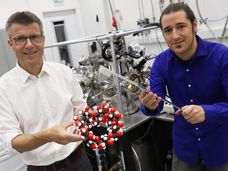
Scientists have developed a prototype ultra-sensitive sensor that would enable doctors to detect the early stages of diseases and viruses with the naked eye, according to research published in Nature Nanotechnology.The team, from Imperial College London, report that their visual sensor ...

more

'Broken heart syndrome' protects the heart from adrenaline overload

28-06-2012

A condition that temporarily causes heart failure in people who experience severe stress might actually protect the heart from very high levels of adrenaline, according to a new study published in the journal Circulation. The research provides the first physiological explanation for Takotsubo ...

more

New ways to diagnose skin cancer?

09-03-2012

A biopsy is a painful and scarring but often unavoidable procedure, to decide whether a suspicious looking region on the skin is cancer or a harmless spot. Now, scientists attained promising results of autofluorescence and reflectance measurements of tissue as a noninvasive approach for basal ...

more

Largest ever study of liver function finds multiple genetic links to liver injury

21-10-2011

Researchers have identified a large number of areas in the human genetic code that are involved in regulating the way in which the liver functions, in a new study of over 61,000 people, published in Nature Genetics.The work is an international collaboration led by Imperial College London and ...

more

Scientists create computing building blocks from bacteria and DNA

Scientists have successfully demonstrated that they can build some of the basic components for digital devices out of bacteria and DNA

20-10-2011

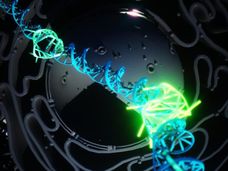
Scientists have successfully demonstrated that they can build some of the basic components for digital devices out of bacteria and DNA, which could pave the way for a new generation of biological computing devices, in research published in Nature Communications.The researchers, from Imperial ...

more

Diabetes genes in South Asians discovered by Imperial College

Six new genetic variants will help identify diagnostic markers and drug targets for the 55 million Asian’s affected

12-10-2011

An international team of researchers led by Imperial College London has identified six new genetic variants that could potentially be the causative agents of type 2 diabetes in South Asian populations (Pakistani, Indian, Bangladeshi, and Sri Lankan). The findings published in Nature Genetics, ...

more

'Smart materials' that make proteins form crystals to boost research into new drugs

22-06-2011

Scientists have developed a new method to make proteins form crystals using 'smart materials' that remember the shape and characteristics of the molecule. The technique, reported in Proceedings of the National Academy of Sciences, should assist research into new medicines by helping ...

more

Page 1 From 3
Subscribe to e-mail updates relating to your search

You will receive via e-mail the latest search results matching your search criteria. This service is free of charge and can be cancelled at any time.

Your browser is not current. Microsoft Internet Explorer 6.0 does not support some functions on Chemie.DE