New Study into Bladder Regeneration Heralds Organ Replacement Treatment
Researchers in the United States have developed a medical model for regenerating bladders using stem cells harvested from a patient’s own bone marrow. The research, published in STEM CELLS, is especially relevant for paediatric patients suffering from abnormally developed bladders, but also represents another step towards new organ Replacement therapies.
The research, led by Drs. Arun Sharma and Earl Cheng from the Feinberg School of Medicine at Northwestern University, focused on bone marrow mesenchymal stem cells (MSCs) taken from the patient. Previously studies into the regenerative capacity of cells in bladders have focused on animal models, but these have translated poorly in clinical settings.
“Advances in the use of bone marrow stem cells taken from the patient opens up new opportunities for exploring organ replacement therapies, especially for bladder regeneration”, said senior and lead author Dr Sharma. “Several findings from our study have demonstrated the plasticity of stem cells derived from bone marrow which make them ideal for this type of work.”
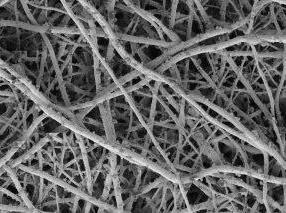
The team discovered that bone marrow mesenchymal stem cells (MSCs) have phenotypic and physiological similarities with bladder smooth muscle cells (bSMCs) implying that MSCs can serve as an alternative cell source for potentially damaged bSMCs.
“For our research we developed a primate-based model, using the baboon bladder in conjunction with bone marrow MSCs to attempt partial bladder regeneration,” said Dr Sharma. “We found that the mesenchymal stem cells utilized throughout the study retained the ability to populate a surgically grafted area while remaining active 10 weeks after surgery.”
The transplanted bone marrow cells also retained the ability to express key smooth muscle cell markers, attributes that are required for the continual expansion and contractile cycles of a functional bladder.
Currently, information about the cellular and molecular interactions that govern bladder regeneration is scarce; however the team’s research demonstrates the feasibility of MSCs in partial bladder regeneration and their use of a primate-based mode provides valuable insight into these processes as they may apply to humans.”
“This newly described bladder augmentation model represents a unique insight into the bladder regeneration process and provides strong evidence that MSCs can be exploited for tissue engineering purposes,” concluded Dr Sharma. “The non-human primate bladder augmentation model established in this study will also further provide key pre-clinical data that may eventually be translated in a clinical setting.”
Original publication: Sharma A, Bury M, Marks A, Fuller N, Meisner J, Tapaskar N, Hall L, Matoka D, Cheng E, “A Non-Human Primate Model for Urinary Bladder Regeneration Utilizing Autologous Sources of Bone Marrow Derived Mesenchymal Stem Cells”, STEM CELLS, Wiley-Blackwell 2010.
Other news from the department science











Get the life science industry in your inbox
From now on, don't miss a thing: Our newsletter for biotechnology, pharma and life sciences brings you up to date every Tuesday and Thursday. The latest industry news, product highlights and innovations - compact and easy to understand in your inbox. Researched by us so you don't have to.