Illumina and Wellcome Trust Sanger Institute Announce Completed Genome for Endangered Tasmanian Devil
Uncovering Mutations Found in Deadly Transmissible Cancer Could Help Conservation Efforts
Researchers from Illumina, Inc. and the Wellcome Trust Sanger Institute have used Illumina's next generation sequencing technology to create a draft genome sequence for the endangered Tasmanian devil, and will use this to find genetic mutations in the transmissible cancer that is ravaging its population.
The results open the door for new research to pick out those specific mutations that drive the cancer and will lay the foundation for ongoing work to trace the spread of disease and inform the development of preclinical tests, conservation strategies and disease therapies. The announcement is being made by Sanger Institute researcher, Dr. Elizabeth Murchison, at the AMATA 2010 Conference in Hobart, Tasmania, Australia.
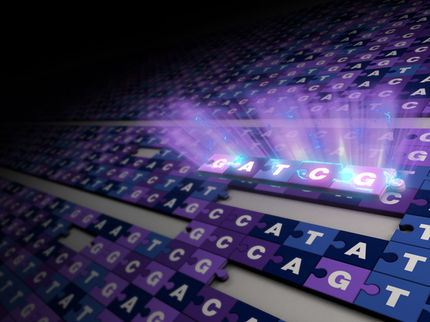
The reference Tasmanian devil genome - approximately the same size as the human genome - was sequenced in eight days in one run on Illumina's HiSeq 2000, generating more than 80-fold genome coverage. Two cancer genomes of affected animals from different parts of Tasmania were sequenced at high coverage as well. Sequencing, de novo assembly and analysis of genetic variation of the three genomes has been undertaken jointly by scientists at the Wellcome Trust Sanger Institute and Illumina.
"We're excited about what this project means, not just for the future of this very rare and endangered species and this unusual cancer," said David Bentley, Chief Scientist at Illumina. "It is wonderful to see Illumina's next generation sequencing, with its emphasis on speed, accuracy and genome coverage, opening a world of new possibilities for scientists to get at the root causes and manifestations of disease."
Tasmanian devil facial tumor is almost unique in cancers of the animal kingdom in that it is transmitted by direct transplantation of cancer cells from animal to animal.
"This sequence is invaluable and comes at a crucial time," said Dr. Murchison. "By comparing our draft sequence with samples taken from many hundreds of devils suffering from this cancer, we can begin to look at the spread of the disease, quite literally, by identifying geographical routes and barriers in its transmission. This knowledge could ultimately shape the ongoing conservation efforts in Tasmania.
"It took 10 years to sequence the draft human genome; the devil took just two months using this new technology. We are entering a new era when genome sequencing can be applied to some of our most pressing problems in real time."
The next step will be to sequence many more Tasmanian devil facial tumor samples. By generating profiles of the mutations present in these cancers, the team hopes to improve understanding of the disease and its spread.

Other news from the department science













Get the life science industry in your inbox
From now on, don't miss a thing: Our newsletter for biotechnology, pharma and life sciences brings you up to date every Tuesday and Thursday. The latest industry news, product highlights and innovations - compact and easy to understand in your inbox. Researched by us so you don't have to.